A Small Step That Matters for the Ocean
Our Spiritus Team’s Coastal and Underwater Cleanup Experience
Recently, our Spiritus team joined a coastal and underwater cleanup project to protect the ocean and the life it supports. What began as a simple volunteer activity quickly turned into a powerful reminder of how deeply our actions affect marine ecosystems — and how much responsibility we share in preserving them.
The coastline we visited is known for its beautiful scenery and popular camping spots. Yet beneath its beauty lay a troubling reality. Fishing nets, plastic bottles, foam pieces, and other debris were scattered along the sand and wedged between rocks. Some of it was buried deep below the surface, evidence of how long it had been there.

Diving Beneath the Surface: Cleaning the Hidden World
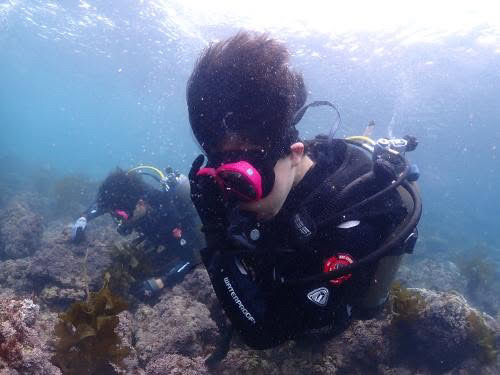
This time, our work extended beyond the shore. Wearing scuba gear and carrying collection nets, part of our team entered the water to conduct an underwater cleanup dive. Descending beneath the surface revealed a very different view of the coastline. The water was calm and beautiful, but trash was scattered among the seafloor rocks and seaweed. Pieces of plastic drifted with the current, fishing lines were tangled around coral, and metal cans lay hidden in the sand.
Removing these items required focus and patience. Some fishing nets were tightly wrapped around rocks and sea plants, and in several places, we saw signs that marine animals had once been caught in them. Each item we removed felt significant. With every handful of debris collected, the water became a little clearer and safer for the creatures that live there.
The Challenges and Impact of Marine Debris
Even on land, the work was not easy. Abandoned fishing nets were heavy and deeply entangled. Pulling them free was physically demanding and often emotional, as we imagined the marine animals that might have been harmed by them.
This experience taught us how damaging marine debris can be, both above and below the water. Some of the long-term consequences include:
Ghost Fishing
Abandoned fishing nets continue to trap marine life even long after they are discarded. Fish, turtles, and seabirds often become entangled and die, disrupting the food chain and threatening biodiversity.
Injury and Death to Marine Animals
Marine creatures are frequently injured or killed by entanglement or by ingesting plastic waste. Sea turtles, for example, often mistake floating plastic bags for jellyfish, which leads to blockages and starvation.
Microplastic Pollution
Larger pieces of plastic eventually break down into microplastics that are nearly impossible to remove. These tiny particles enter the food chain through plankton, fish, and seabirds, and eventually reach humans.
Destruction of Marine Ecosystems
Marine debris can smother coral reefs and seagrass beds, destroying vital habitats and making it harder for marine species to feed, reproduce, and survive.
Small Actions, Big Change
One of the most powerful lessons from this cleanup was that even a single piece of trash can have lasting consequences. It showed us why collective action is so important. Every bottle collected, every net removed, and every piece of debris taken out of the water reduces harm and helps the ocean heal.

Our team left the site tired but deeply motivated. We plan to continue both shoreline and underwater cleanups and to make more environmentally conscious choices in our daily lives, from reducing plastic use to raising awareness about ocean conservation.
The ocean is one of the planet’s most precious resources, and its health affects all of us. While the scale of pollution can feel overwhelming, small, steady actions taken by many people can create real change. Together, we can protect the ocean — one dive, one cleanup, and one piece of trash at a time.
Discover more from Spiritus Blog
Subscribe to get the latest posts sent to your email.




H2betapp is another solid mobile option. I like the interface and the variety of available choices. Perfect for gaming on the move! h2betapp
Hey everyone! I’m looking for new online game to place my bets. Has anyone tried jogo365bet and can share their experiences? Good or bad, I wanna know! Visit here: jogo365bet
Just a heads up, wk777netlogin seems relatively straightforward for logging in. Process was hassle free. If you are looking for somewhere to login, try wk777netlogin.
I gave wk77 a go the other day. Its okay, not the best but not the worst. I felt luck when signing up. Have a look wk77 and see what you think.
Navigating the online casino world can be intimidating at first but this site makes everything so straightforward and welcoming. I started with just a small deposit and quickly noticed how fair the game mechanics really are. The support agents are incredibly patient and always ready to walk you through new features. It is rare to find a place that balances excitement with genuine professionalism. phmvpcasinolink
The community here is great and the rewards keep me coming back. It is easily one of the most reliable spots online. Visit ph90jiliclub
I have tried a few platforms lately but this one really stands out. The interface is smooth and the payouts are surprisingly fast. Definitely worth a try for anyone looking for a reliable spot. Check out kr855win for a great experience.
This platform has a very unique feel and the rewards are actually generous. I am really enjoying my time on vnf16878vipp.
[7109]sv368 | Link vào tải app và hướng dẫn chơi baccarat online,sv368 cung cấp link vào chính thức và hướng dẫn nạp tiền casino qua momo nhanh chóng. Khám phá mẹo quay hũ nổ hũ cực hay để tối ưu trải nghiệm. Truy cập ngay! visit: sv368
[3527]skyvegas login করুন | বিকাশ দিয়ে রিয়েল মানি স্লট গেম খেলুন,skyvegas অ্যাপ ডাউনলোড করে লাইভ ক্যাসিনো খেলার নিয়ম জানুন এবং রিয়েল মানি স্লট গেম উপভোগ করুন। এখনই লগইন করে আপনার যাত্রা শুরু করুন। visit: skyvegas
[1612]Jagowin404: Login Daftar Slot Gacor Deposit Dana,Jagowin404 memudahkan login dan daftar untuk akses slot gacor deposit dana. Pelajari cara main baccarat online dan download apk casino terpercaya sekarang. visit: jagowin404
Players can try different heroes to find a playstyle they enjoy.official website 3f4ce56c.
GTA Browser lets players run Grand Theft Auto: Vice City directly in a web browser.official website 5677ff96.